Asian Handicap Lines and Temporary Imbalances: Insights from Modern Comparison Technologies
Eden Hoffmann · Aug 21, 2026
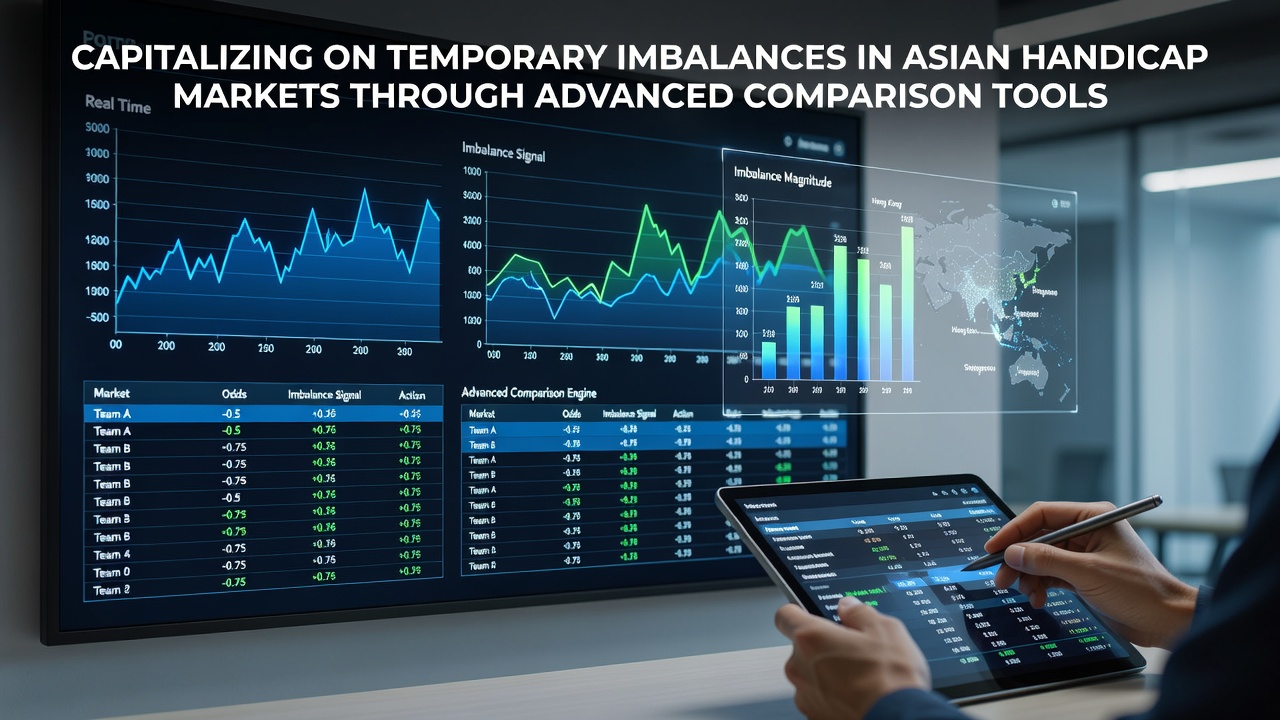
Asian Handicap Lines and Temporary Imbalances: Insights from Modern Comparison Technologies
Asian handicap markets operate through quarter-goal and half-goal increments that reduce draw outcomes and create layered pricing structures across global bookmakers, and these layers shift rapidly when new information enters the market or when liquidity pools differ between operators. Observers note that such shifts often last only minutes before prices realign, creating brief windows where the same handicap line carries different implied probabilities depending on the platform.
Market Mechanics Behind Short-Term Discrepancies
Asian handicaps adjust continuously because they incorporate live team news, weather updates, and betting volume from regional syndicates, and comparison platforms aggregate these feeds in real time to flag when one bookmaker's line deviates from the consensus. Data shows these deviations arise most frequently during overnight hours when Asian markets open before European operators have adjusted their models, or immediately after unexpected substitutions in lower-profile leagues.
Researchers tracking soccer data feeds have documented that line movements of 0.25 goals can appear across five or more bookmakers within a single minute when a key player is ruled out, and automated scanners capture these movements by polling APIs at sub-second intervals. Those who monitor multiple liquidity sources report that the largest gaps tend to cluster around matches involving teams from emerging Asian leagues where bookmakers maintain thinner risk-management teams.
Role of Advanced Comparison Platforms
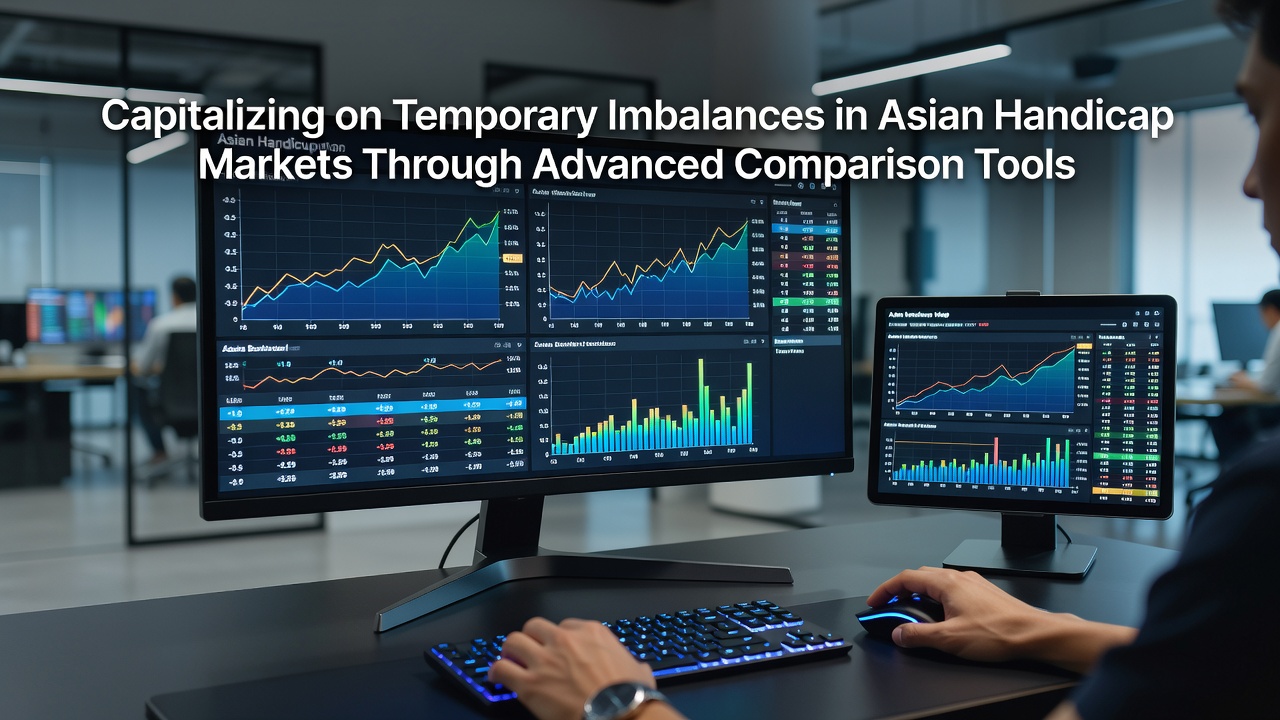
Modern comparison tools compile odds from dozens of operators into unified matrices and apply algorithms that isolate only those instances where an arbitrage condition exists on a single Asian handicap line or across related lines such as over/under combinations. These platforms calculate the precise stake distribution required to lock a margin and refresh the figures as soon as any quoted price changes, thereby allowing users to act before the imbalance corrects.
Figures released in August 2026 by the Gambling Regulatory Authority of Singapore indicated increased participation in cross-border soccer markets, and industry analysts attribute part of that growth to the wider availability of such scanning software. The same period saw operators in several jurisdictions tighten API access, which in turn forced comparison services to refine their polling methods to maintain data freshness.
Documented Patterns Across Leagues
One study of J-League and K-League fixtures revealed that temporary imbalances appear most often on the +0.25 and -0.25 lines because these carry the narrowest margins and attract the highest volume from sharp syndicates. Comparison tools that weight historical volatility data alongside current liquidity metrics have flagged these lines at rates roughly double those observed in top-five European leagues.
Take one operator in the Australian market that adjusted its model thirty seconds after an early red card; observers tracking the same match across six other platforms recorded a 0.5-goal swing that lasted four minutes, and scanners surfaced the opportunity within eight seconds of the initial movement. Those who reviewed the sequence afterward noted that the discrepancy originated from differing interpretations of the remaining playing time rather than from outright pricing errors.
Integration with Broader Data Sources
Advanced platforms increasingly incorporate non-price signals such as expected-goal models and player tracking metrics, allowing users to cross-reference an apparent imbalance against underlying performance data before committing capital. According to a report published by the Victorian Responsible Gambling Foundation, operators that publish detailed pre-match statistics experience fewer sustained pricing gaps because their models update more frequently.
Yet the same report highlighted that lower-division matches still produce measurable discrepancies when data providers lag behind the speed of social-media injury reports, and comparison tools that scrape multiple verification channels have demonstrated higher capture rates for these events.
Operational Considerations for Sustained Use
Users of these systems must account for bet-acceptance delays, varying stake limits, and occasional line suspensions that can interrupt an otherwise locked position. Data from platform logs shows that successful executions often require simultaneous placement across at least three operators, and the time window for completing all legs averages under ninety seconds during peak volatility periods.
Comparison services now include automated alerts that trigger when a qualifying imbalance meets user-defined margin thresholds, and these alerts incorporate exchange-rate adjustments for accounts denominated in different currencies. Observers note that accounts operating across multiple time zones benefit most because they can respond during Asian market hours when European bookmakers are slower to react.
Conclusion
Temporary imbalances in Asian handicap markets arise from asynchronous information flow and differing risk models across operators, and advanced comparison tools provide the aggregation and calculation layers required to identify and act on those windows. Data from regulatory bodies and academic tracking studies confirm that such opportunities recur across multiple leagues, with the highest frequency observed in lower-profile competitions. Continued refinement of polling techniques and integration of supplementary performance metrics are expected to shape how these platforms evolve through the remainder of 2026 and beyond.