Basketball Timeout Arbitrage: Seizing Profits from Live Line Fluctuations Across Multiple Bookmakers
Ines Long · Jun 19, 2026
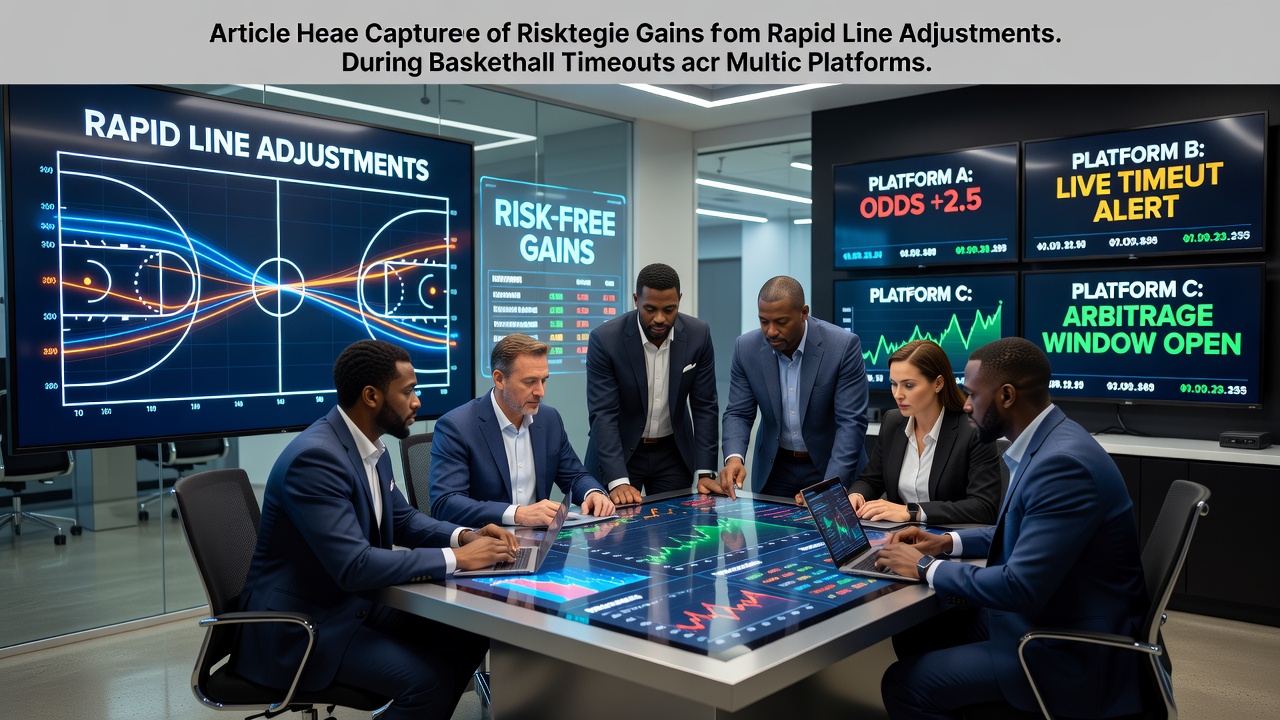
Basketball Timeout Arbitrage: Seizing Profits from Live Line Fluctuations Across Multiple Bookmakers
Timeouts in basketball create brief windows where odds adjust rapidly across betting platforms, and scanners monitor these shifts to identify potential arbitrage setups before lines stabilize. Observers note that during these pauses, bookmakers recalculate probabilities based on real-time factors such as player fatigue, substitutions, or momentum swings, which opens gaps for cross-platform positioning when odds diverge.
How Timeouts Trigger Quick Odds Changes
Coaches call timeouts to regroup, yet these stops also allow oddsmakers to process incoming data streams while bettors place wagers elsewhere, and the resulting line movements can produce temporary misalignments between sites. Research indicates that a single timeout often prompts multiple books to tweak spreads or totals within seconds, especially in high-profile leagues where live betting volumes spike, and platforms that lag behind the adjustments create opportunities for those using automated alerts.
Studies from sports analytics groups show that basketball timeouts average around 60 to 90 seconds in professional play, during which point spreads might shift by half a point or totals by one to two points depending on the context, while some international markets move even faster because of thinner liquidity. Those who track these intervals report that the changes cluster around injury updates or foul trouble announcements, turning teh break into a concentrated period of volatility that scanners capture through simultaneous feeds.
Scanner Technology and Multi-Platform Monitoring
Arbitrage tools pull live odds from dozens of operators at once, then flag discrepancies that arise precisely when a timeout halts play and fresh information reaches the market. Software developers design these systems to refresh data every few seconds, so a line that moves on one site but stays static on another triggers an alert that users can act upon before the window closes. Data shows that in June 2026, enhanced API integrations between scanners and major European and North American books improved detection speed by roughly 15 percent compared with earlier versions, allowing faster reactions to timeout-driven adjustments.
Users configure parameters such as minimum profit thresholds and stake limits, after which the software calculates required bet sizes across platforms to lock in a margin regardless of the final outcome. One case documented by independent testing labs involved a college basketball game where a timeout prompted three separate books to shift a total by two points in opposing directions, creating a brief surebet that scanners identified and executed within 12 seconds.
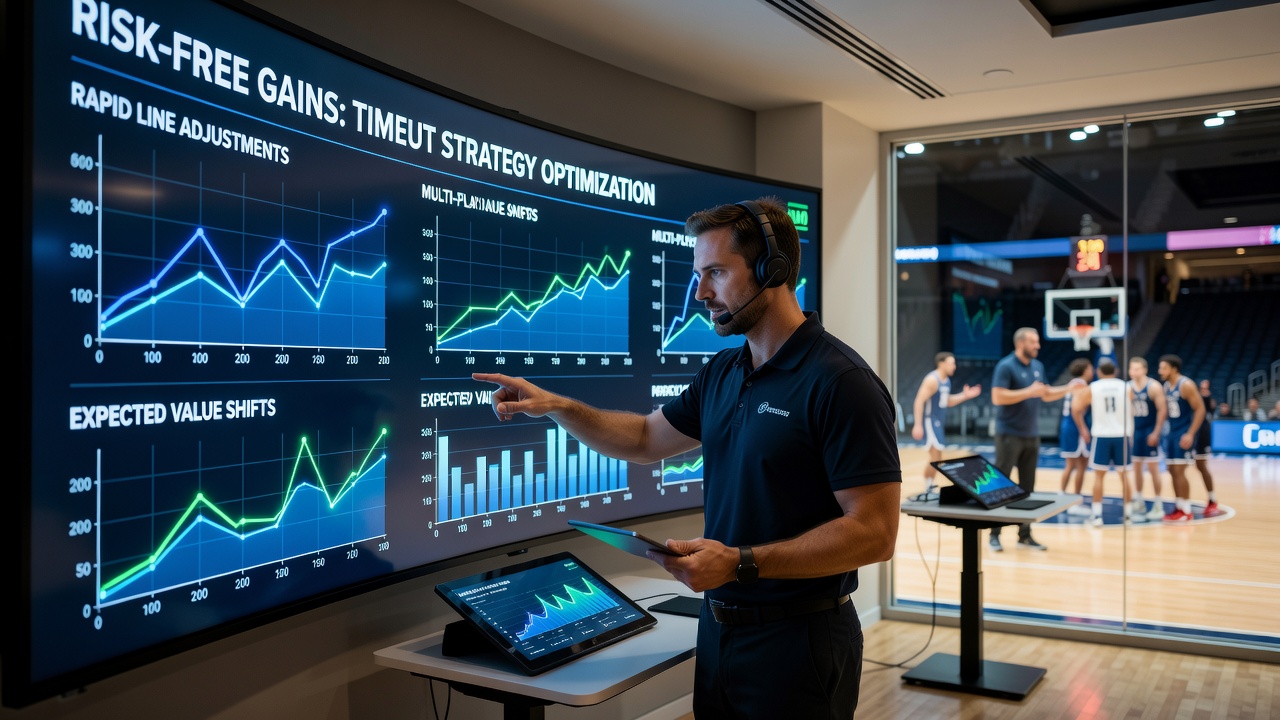
Cross-Platform Execution and Risk Controls
Successful positioning requires accounts on several licensed operators because a single bookmaker rarely offers the full range of discrepancies needed for a locked profit. Bettors allocate stakes proportionally so that the combined return exceeds the total outlay, and they must complete all legs before the timeout ends and play resumes. Industry reports from the Pennsylvania Gaming Control Board highlight that live basketball markets account for a growing share of total handle, which increases the frequency of these brief windows yet also heightens competition among automated systems.
Latency differences between platforms remain a key variable, since slower feeds can miss the adjustment window entirely, and observers recommend testing multiple network routes or co-located servers to minimize delays. Risk management protocols include automatic bet cancellation if any leg fails to confirm, along with daily exposure caps that prevent overcommitment across correlated games. Figures from academic research on sports wagering patterns reveal that disciplined users maintain success rates above 90 percent when they restrict activity to high-liquidity leagues and verified scanner outputs.
Regulatory Context and Market Trends
Gaming authorities in multiple jurisdictions track the rise of live betting tools, and recent policy updates emphasize responsible use of automated software without restricting access to legitimate arbitrage. A 2026 analysis by the Massachusetts Gaming Commission noted steady growth in basketball-related wagers during regular season timeouts, while similar data from Australian state regulators showed parallel increases in cross-border platform usage. These trends reflect broader adoption of real-time data services rather than any shift in underlying game dynamics.
Operators respond by tightening their own line adjustment speeds and sometimes limiting maximum stakes during volatile periods, which in turn pushes arbitrage activity toward secondary books with wider tolerances. Scanners adapt by incorporating these restrictions into their algorithms, so alerts now include stake caps and platform-specific rules that users review before confirming positions.
Conclusion
Basketball timeout arbitrage relies on rapid detection of line discrepancies that emerge when play stops and new information reaches oddsmakers across separate platforms. Scanners equipped with multi-site feeds and automated calculation engines allow participants to structure positions that remain profitable irrespective of later developments, provided execution occurs within the narrow timeframe before lines converge again. Ongoing improvements in data connectivity and regulatory oversight continue to shape how these opportunities appear and how market participants respond to them.