Cross-Market Line Synchronization: How Aggregated Data Streams Reveal Transient Pricing Gaps in Niche Events
Ines Long · Jul 21, 2026
Cross-Market Line Synchronization: How Aggregated Data Streams Reveal Transient Pricing Gaps in Niche Events
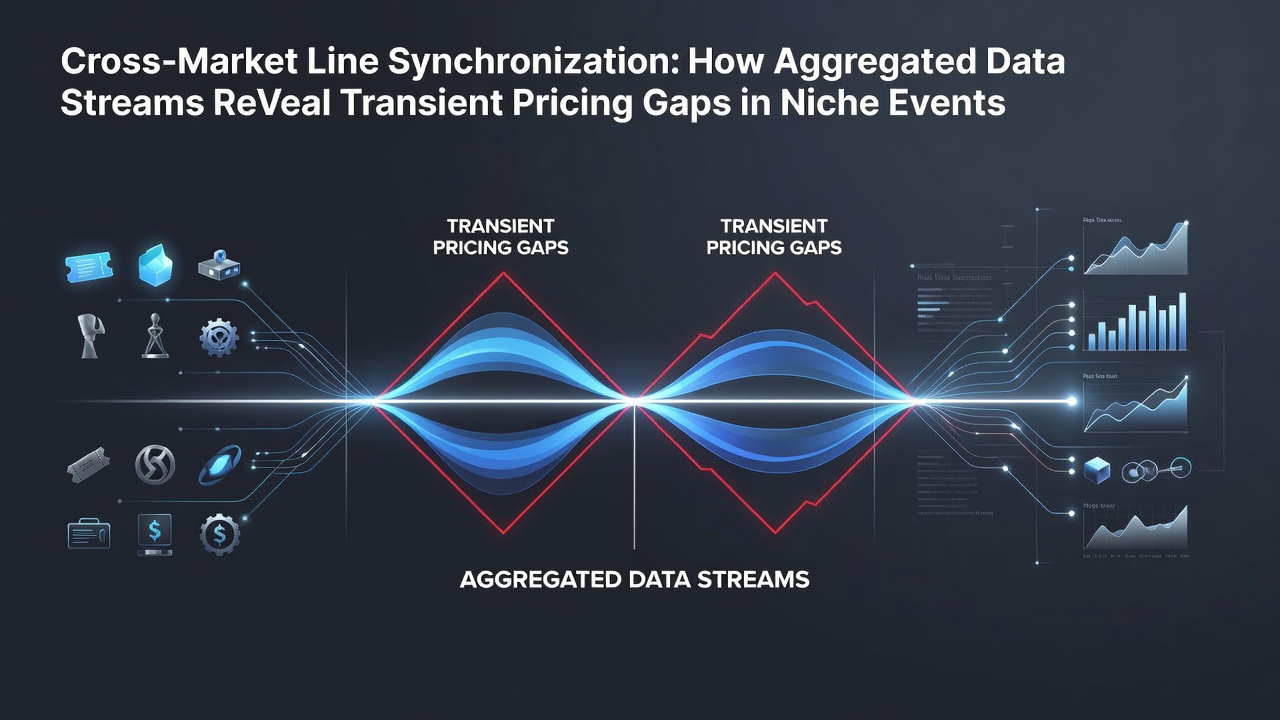
Cross-market line synchronization operates through continuous aggregation of odds data from numerous bookmakers, and it identifies brief windows where pricing discrepancies emerge in less liquid niche events such as obscure tennis tournaments or regional volleyball leagues. These gaps arise because individual operators adjust lines at different speeds when new information arrives, and aggregated feeds capture the resulting mismatches before they close. Researchers tracking these patterns note that synchronization relies on high-frequency data pipelines which pull real-time quotes every few seconds and compare them against historical benchmarks for each market.
Mechanics of Data Aggregation in Niche Betting
Operators feed their odds into centralized streams that normalize formats across platforms, and this process highlights where one bookmaker's line lags behind the collective average. In niche events the lower trading volume means adjustments happen sporadically, so synchronization tools flag deviations that last from seconds to a couple of minutes. Data from July 2026 showed increased activity in these segments as more platforms began covering secondary competitions, and the expanded coverage created additional synchronization points that exposed gaps more frequently than in prior periods.
Those who monitor these streams observe that niche markets like lower-division handball or junior ice hockey often display the clearest examples because fewer participants trade them and line movement depends on limited inputs. Aggregation therefore acts as an early-warning system that surfaces pricing inconsistencies before manual traders can react across all books.
Transient Pricing Gaps and Their Formation
Pricing gaps form when one platform receives updated injury news or weather data ahead of others, and the synchronization layer records the temporary divergence against the broader market consensus. In practice this appears as a line that sits outside the standard deviation band calculated from the aggregated feed, and the window closes once slower operators update. Studies of similar systems indicate these gaps cluster around high-information moments such as lineup announcements or live scoring changes in extended matches.
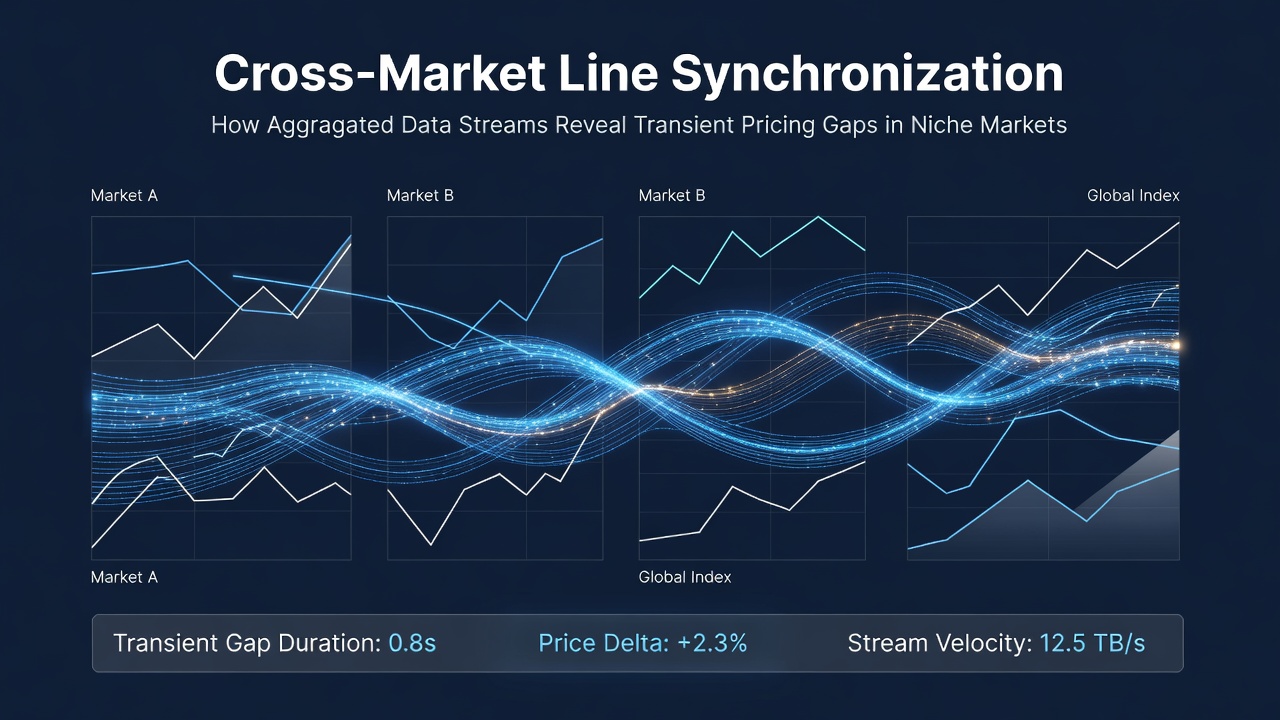
Because niche events draw smaller liquidity pools, the gaps tend to persist slightly longer than in major leagues, and aggregated tools exploit this by ranking opportunities according to duration and size. Observers note that synchronization accuracy improves when feeds incorporate both pre-match and in-play data, allowing the system to distinguish genuine discrepancies from simple latency artifacts.
Role of Synchronization Tools in Identifying Opportunities
Specialized platforms compile multi-bookmaker datasets and apply statistical filters that isolate lines deviating from the synchronized mean, and these filters trigger alerts only when the deviation exceeds a threshold calibrated to historical volatility. In July 2026 reports from European operators indicated rising use of such tools for niche coverage as regulatory frameworks in several jurisdictions encouraged greater transparency in odds reporting. The tools do not create the gaps; they simply surface them by comparing streams that would otherwise remain siloed.
One documented pattern involves cross-referencing live data from regional badminton circuits where line updates occur irregularly, and the aggregated view reveals mismatches between European and Asian bookmakers that trade the same event. Synchronization therefore bridges geographic and operational differences that produce the pricing inconsistencies.
Market Implications and Regulatory Context
Industry analyses from sources such as the Australian Gambling Research Centre show that aggregated monitoring can reduce information asymmetry between operators and sophisticated users in thinner markets. Meanwhile, data compiled by the Nevada Gaming Control Board demonstrates how synchronization across international feeds affects settlement times for niche wagers. These findings highlight that transient gaps represent normal market friction rather than systemic flaws, and they diminish as more participants adopt unified data standards.
Because niche events continue to attract coverage from additional platforms, synchronization layers grow more comprehensive, and the detection of pricing gaps becomes statistically more reliable over successive trading cycles. The process remains dependent on the quality and timeliness of incoming streams, which explains why gaps appear and disappear in predictable clusters around information events.
Conclusion
Aggregated data streams therefore function as diagnostic instruments that expose how individual bookmaker responses create temporary pricing gaps in niche events, and cross-market line synchronization quantifies those gaps for systematic observation. As coverage of secondary competitions expands, the same mechanisms continue to map the boundaries of efficient pricing across fragmented markets.