Diving into Multi-Bookmaker Synchronization: Tools That Capitalize on Transient Odds Variations During Major Events
Eden Hoffmann · Jul 26, 2026
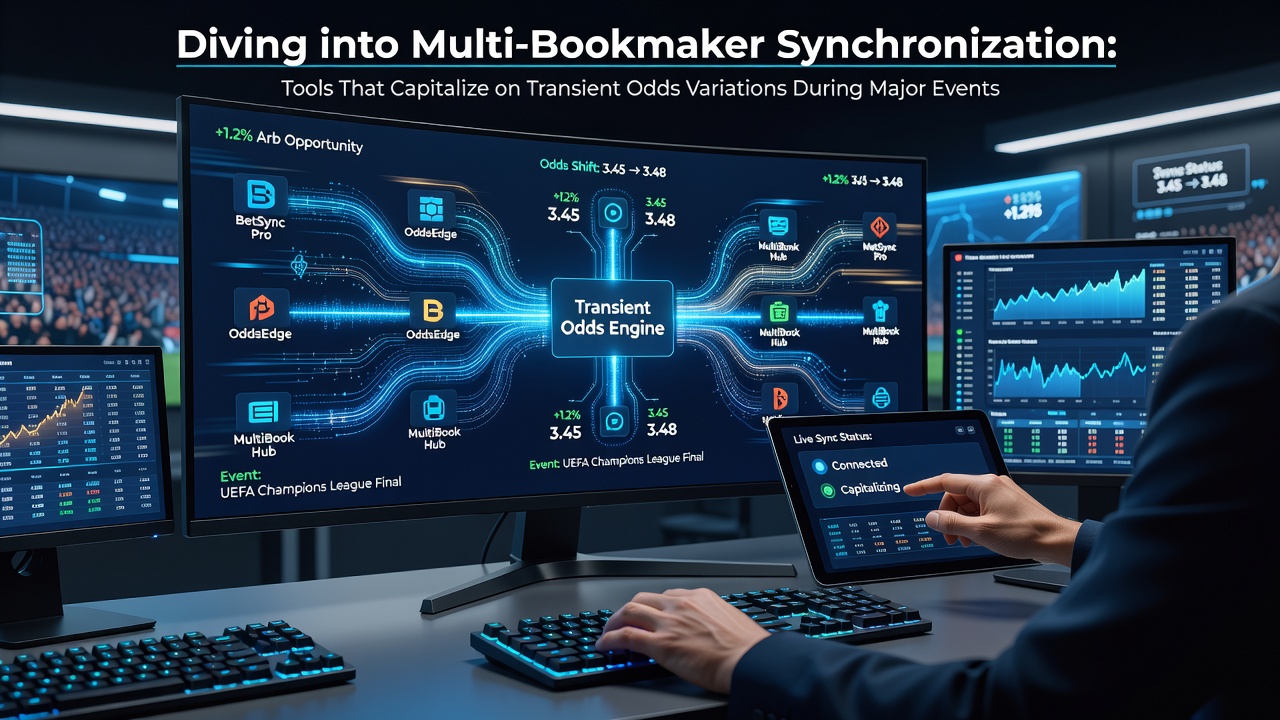
Diving into Multi-Bookmaker Synchronization: Tools That Capitalize on Transient Odds Variations During Major Events
Multi-bookmaker synchronization refers to software platforms that pull live data feeds from numerous licensed operators at once, then flag brief discrepancies in odds before markets realign, and these systems have grown more sophisticated as major events draw global betting volume. Observers note that during high-profile competitions such as the FIFA World Cup or the Summer Olympics, odds can shift by several percentage points within minutes because bookmakers adjust limits and liabilities at different speeds while handling massive incoming wagers from diverse regions. Data from the Nevada Gaming Control Board shows that sports betting handle in Nevada alone reached record levels during the 2024 NFL season, and similar patterns appear in other regulated markets when synchronized tools detect temporary mispricings across borders.
How Synchronization Platforms Operate in Practice
These tools connect through official APIs supplied by operators or through aggregated data services that compile prices from dozens of books simultaneously, then apply algorithms to calculate implied probabilities and highlight any line that deviates from the consensus. When one bookmaker posts a football match total at 2.5 goals while three others list 2.75 during the opening minutes of a World Cup group-stage fixture, the software alerts users to the gap and calculates the stake distribution required to lock in a margin regardless of the final score. Research published by the University of Nevada, Las Vegas International Gaming Institute indicates that such inefficiencies occur more frequently in live markets because latency in updating lines varies between large international firms and smaller regional operators, creating brief windows measured in seconds rather than minutes.
Traders who rely on these platforms often maintain accounts at multiple licensed sites across different jurisdictions so that capital can move quickly when an alert triggers, and the software itself handles currency conversion, stake sizing, and even automated placement in some jurisdictions where API betting is permitted. During July 2026, when several major European club competitions overlap with international friendlies, analysts expect synchronization volume to rise further because overlapping schedules increase the number of simultaneous markets and therefore the statistical likelihood of transient mismatches.
Market Dynamics That Create Transient Variations
Bookmakers set initial lines using models that incorporate historical data, player injuries, weather, and expected betting patterns, yet they also monitor their own exposure in real time and shade prices to balance action on both sides. Because each operator maintains separate risk-management teams and different commercial agreements with data providers, one firm may react faster to a late lineup announcement than another, producing a short-lived arbitrage opportunity. Synchronization tools scan for these moments by comparing decimal, fractional, and American odds formats across platforms and converting everything to a common probability scale before highlighting outliers that exceed a user-defined threshold, typically 1.5 percent or higher.
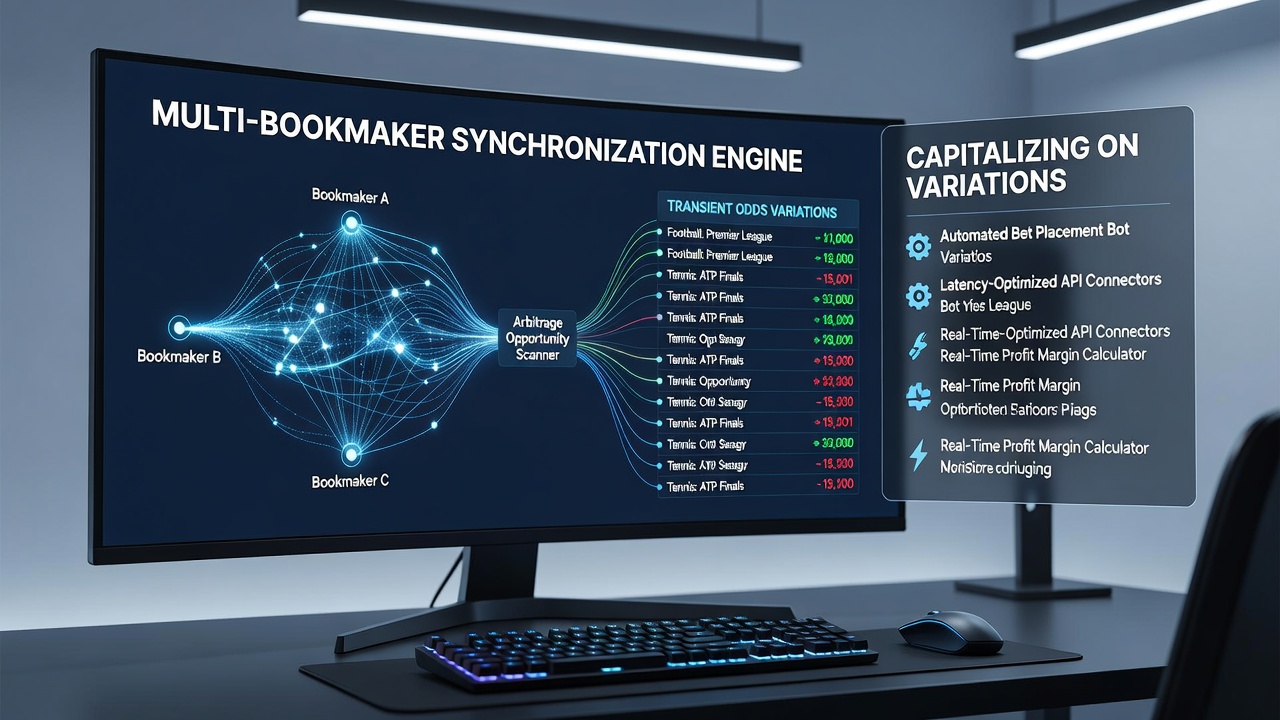
Take one documented case from the 2022 Winter Olympics where several European operators adjusted ice hockey puck-line odds at different intervals after an early power-play goal, and synchronized scanners captured a 2.3 percent margin before the lines converged again within ninety seconds. Such episodes illustrate why speed of data ingestion and low-latency execution matter more than raw computational power, since the window for action closes as soon as the slowest bookmaker updates its board.
Regulatory and Technical Considerations Across Jurisdictions
Operators licensed in multiple territories must comply with local rules on data sharing and automated betting, which means synchronization platforms often include geo-fencing and account-verification modules that prevent users from placing wagers in restricted areas. In Australia, the Interactive Gambling Act imposes strict limits on in-play betting for certain sports, so tools marketed there focus on pre-match synchronization only, whereas in parts of the United States where mobile sportsbooks operate legally, real-time synchronization receives broader acceptance provided operators themselves permit API access. Figures released by the Pennsylvania Gaming Control Board reveal that sports wagering revenue in that state grew steadily through 2025, with live betting comprising an increasing share of total handle and creating more opportunities for multi-bookmaker tools to operate within regulated channels.
Security protocols within these platforms encrypt login credentials and monitor for unusual account activity to reduce the risk of credential theft, while many also integrate responsible-gambling features such as session timers and loss-limit reminders at the request of operators who participate in their data feeds. Those who have studied the sector observe that the most robust synchronization services maintain redundant server locations and failover connections so that a single API outage does not halt the entire monitoring process during peak event hours.
Conclusion
Multi-bookmaker synchronization continues to evolve alongside improvements in data latency and regulatory clarity across global markets, with tools now capable of processing thousands of odds updates per second during major events. As competition among operators intensifies and live betting volumes expand, the technical infrastructure supporting these platforms is expected to incorporate more machine-learning elements that predict when certain market types are likely to diverge. The result is a specialized segment of the betting industry focused on identifying and acting on short-lived pricing inconsistencies rather than forecasting outcomes, all within the boundaries set by each jurisdiction's licensing framework.