Handball League Volatility: Aggregators Uncover Brief Pricing Windows for Secure Multi-Platform Positions
Gisela Krause · Oct 28, 2026

Handball League Volatility: Aggregators Uncover Brief Pricing Windows for Secure Multi-Platform Positions
Handball matches unfold at high speed with goals scored in quick succession and momentum shifting within seconds, which creates constant adjustments in betting markets across multiple operators. Aggregators monitor these movements in real time by pulling live odds from dozens of platforms simultaneously and flagging instances where the implied probabilities do not align. Such discrepancies arise because bookmakers update their lines at different speeds during fast exchanges in the EHF Champions League and domestic competitions that resume in October 2026.
Mechanics of Rapid Market Adjustments
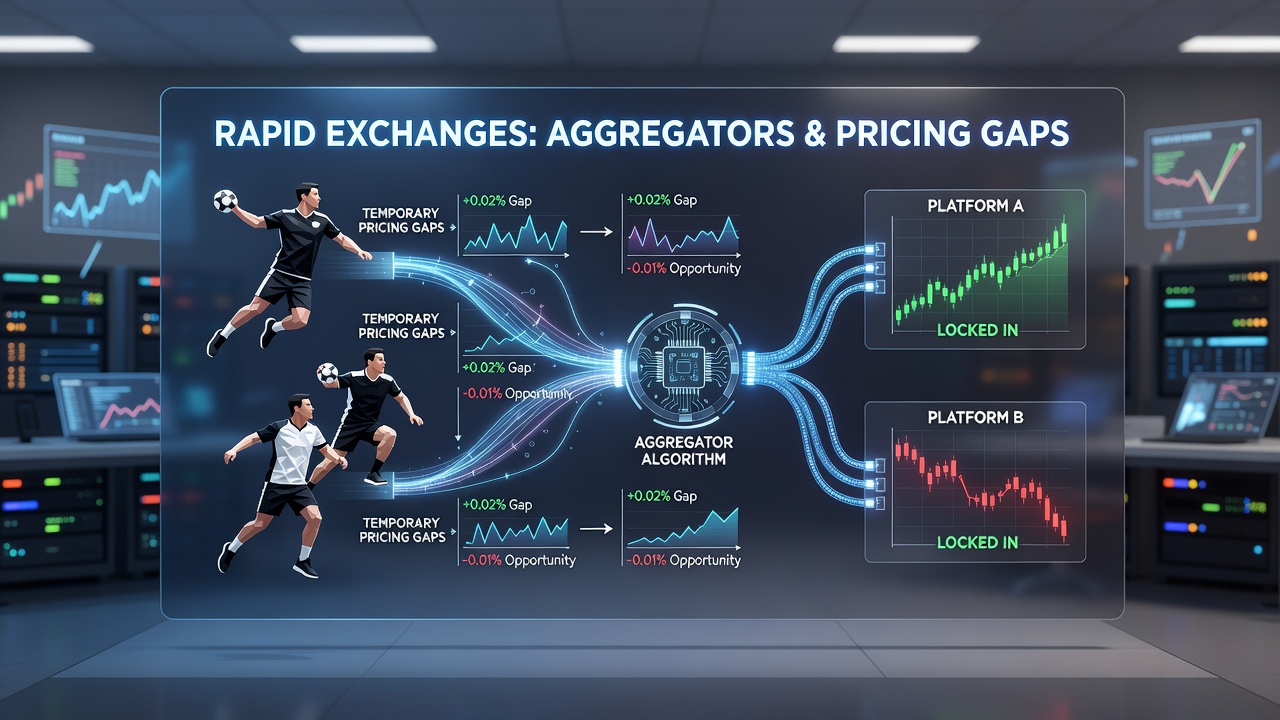
Each goal or defensive stand alters the perceived outcome probabilities almost instantly, yet some operators lag behind others by several seconds or even minutes while their risk teams recalibrate. Aggregators compile these feeds into unified dashboards that highlight when one platform prices a team at 2.10 to win while another lists the same outcome at 2.05, opening a narrow window for simultaneous positions that lock in a margin regardless of the final result. Data compiled by industry monitoring services shows these gaps appear most frequently in the final ten minutes of halves when scoring rates peak and fatigue influences tactical decisions.
Role of Aggregator Technology
Modern aggregator systems employ API connections and web-scraping protocols that refresh every few hundred milliseconds, allowing them to compare overround percentages across bookmakers without manual intervention. When a temporary mispricing surfaces, the software calculates the exact stake distribution required on each side to guarantee a return, factoring in commission rates and any live betting restrictions. Observers note that platforms handling high volumes of handball traffic from European leagues record more frequent alerts during peak evening fixtures because liquidity draws additional attention from multiple pricing teams.
League schedules in October 2026 feature overlapping matches across Germany, France, Spain and Scandinavia, which multiplies the number of simultaneous data streams that aggregators must process. Those who have studied these patterns report that the shortest-lived opportunities often last between eight and twenty-two seconds before the slower operator corrects its line.
Cross-Platform Execution in Practice
Execution requires pre-funded accounts at several operators and rapid confirmation through automated or semi-automated bet placement tools. One documented sequence involved a mid-October EHF match where an aggregator identified divergent odds on the total goals line after a red-card incident; the system recommended stakes distributed across three platforms that together produced a 3.8 percent locked margin. Because handball rules allow quick restarts after goals, the window closed before slower bookmakers could incorporate the updated score into their models.
Research from the American Gaming Association indicates that real-time sports such as handball generate higher volumes of in-play adjustments than slower-paced events, which in turn increases the statistical occurrence of pricing inconsistencies across operators. Aggregators therefore prioritize leagues with the highest goal-per-minute averages when allocating scanning resources.
Regulatory Context Across Regions
European operators must comply with varying national frameworks that influence how quickly they can adjust live odds without triggering additional compliance reviews. Reports from the Australian Gambling Research Centre highlight similar patterns in other fast-action sports, where jurisdictional differences in update protocols contribute to the temporary gaps that aggregators exploit. These variations do not constitute violations when operators follow their licensed procedures, yet they create the technical conditions aggregators monitor.
Seasonal Patterns Observed in 2026
Fixtures scheduled for October 2026 coincide with the start of several new sponsorship cycles that often coincide with revised risk parameters at major bookmakers, further widening the brief windows during which odds diverge. Aggregators that maintain historical databases of past seasons can anticipate periods of elevated volatility around these transitions and allocate additional server capacity accordingly. Those who track the data note that matches involving teams with strong attacking records produce more alerts than defensive-oriented contests because the pace of scoring magnifies any lag in line movement.
Conclusion
Handball's continuous action generates frequent, short-duration pricing differences that aggregator platforms detect through simultaneous multi-bookmaker feeds. Execution of cross-platform positions relies on pre-established accounts, automated calculation tools and swift confirmation protocols that convert identified gaps into locked outcomes. As league calendars advance through October 2026 and beyond, the same technological and structural factors continue to shape the availability of these opportunities within regulated markets worldwide.