Mapping Transient Opportunities: The Intersection of Live Data Feeds and Automated Calculation Engines in Sports Markets
Greta Simon · Sep 30, 2026
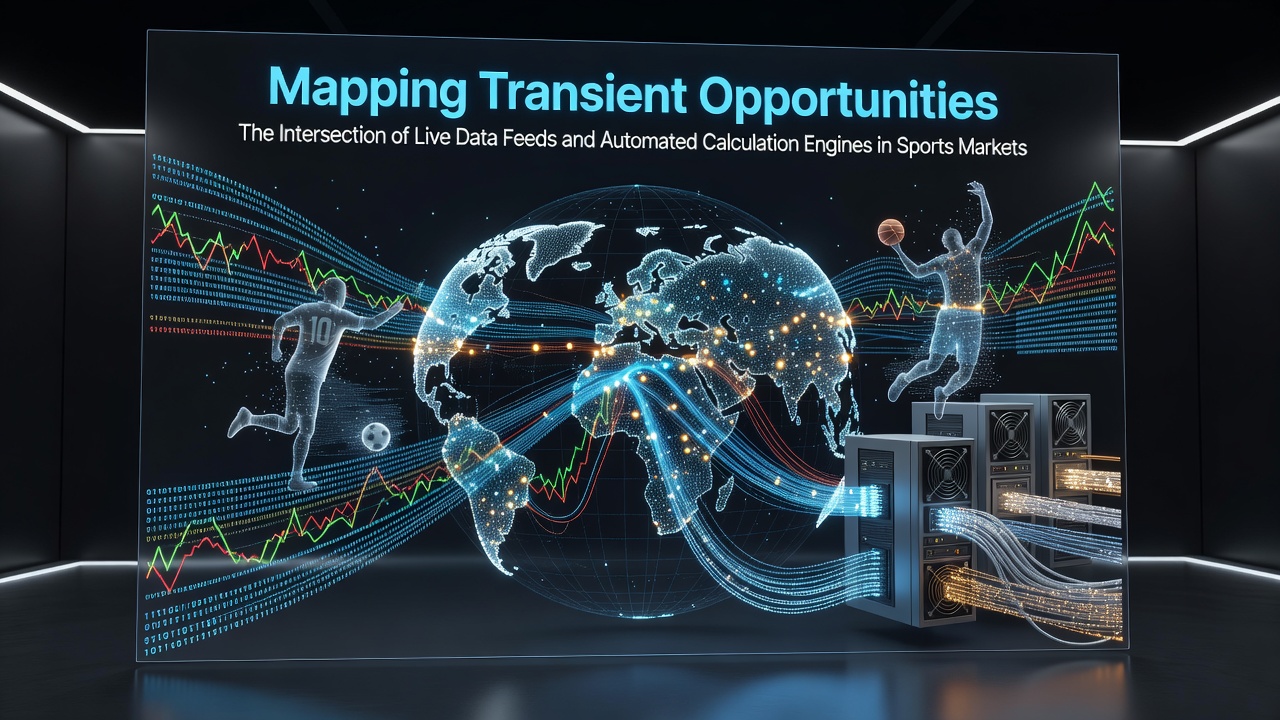
Mapping Transient Opportunities: The Intersection of Live Data Feeds and Automated Calculation Engines in Sports Markets
Live data feeds stream odds updates from dozens of bookmakers into centralized systems every few seconds, and automated calculation engines scan those streams for price discrepancies that last only moments before markets adjust. In September 2026 industry reports showed platforms processing more than 12 million live odds changes daily across major leagues, with engines flagging potential opportunities within 800 milliseconds of each update. Those windows close quickly because bookmakers monitor the same feeds and recalibrate their own lines in response.
How Live Data Feeds Operate in Real Time
Bookmakers publish odds through application programming interfaces that push updates whenever new information arrives, whether from in-game events or shifts in betting volume. Providers aggregate these outputs into unified streams that cover football, basketball, tennis, and dozens of other markets simultaneously. The feeds include not only current prices but also implied probabilities, liquidity indicators, and timestamped history that engines use to detect anomalies. Observers note that transmission latency between source and aggregator now averages under 200 milliseconds on major networks, yet even small delays can determine whether a calculation engine identifies a viable discrepancy before it vanishes.
Automated Engines and Their Calculation Methods
Calculation engines apply statistical models to incoming data, comparing prices across multiple operators while accounting for commission rates, currency conversions, and stake limits. They solve sets of equations that determine whether a combination of bets guarantees a return regardless of outcome, then rank results by expected margin and execution speed. Data from the Nevada Gaming Control Board indicates that licensed operators in that jurisdiction handled record volumes of in-play wagers during the 2025-2026 season, creating additional inputs for these engines to evaluate. The engines also incorporate risk filters that exclude markets with insufficient liquidity or rapid suspension patterns, reducing false positives that waste trader time.
Integration Points Between Feeds and Engines
Modern systems connect through secure cloud endpoints that allow continuous ingestion without manual intervention. Engineers configure mapping rules that translate each bookmaker’s proprietary format into standardized fields, after which the engine runs its arbitrage algorithms in parallel threads. When a match occurs, the platform generates an alert containing the required stakes, participating operators, and projected profit percentage. Research conducted at the University of Nevada, Las Vegas gaming research division found that teams using integrated live feeds reduced average detection time from 4.2 seconds to 1.1 seconds compared with earlier batch-processing methods. That improvement directly expands the number of executable opportunities before bookmakers adjust.
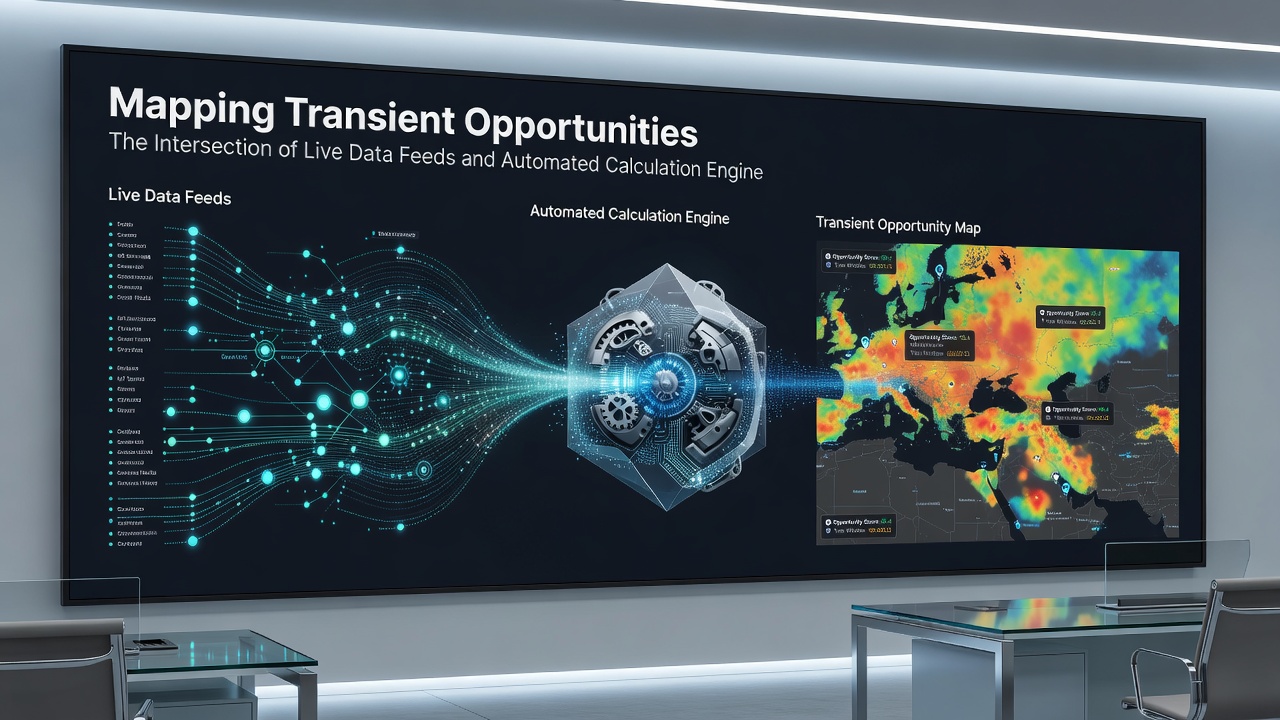
Market Coverage and Sport-Specific Patterns
Engines now monitor over 180 sports worldwide, though football and basketball generate the largest share of transient discrepancies because of high trading volume and frequent in-game updates. In lower-profile markets such as table tennis and darts, price movements occur less often yet can persist longer when liquidity remains thin. Automated systems adjust their scanning frequency according to historical volatility data for each sport, allocating more computational resources to high-velocity events. Figures released by the Australian wagering authority in mid-2026 showed a 17 percent year-on-year increase in live betting turnover, supplying additional data points that engines incorporate into their models.
Operational Challenges and Technical Safeguards
Network interruptions, API rate limits, and sudden market suspensions create gaps that engines must handle without generating invalid recommendations. Developers implement heartbeat checks that verify feed continuity every 500 milliseconds and automatically pause calculations if latency exceeds predefined thresholds. Redundant data paths from secondary providers further reduce single-point failures. Those who manage such platforms report that maintaining accurate stake-size limits across operators remains one of the more persistent engineering tasks, because each bookmaker enforces its own maximum wager rules that change without notice.
Future Developments in Mapping Transient Opportunities
Advances in edge computing and faster network protocols continue to shorten the interval between data arrival and opportunity identification. Some operators now test machine-learning layers that predict which markets are likely to produce discrepancies based on historical patterns, allowing engines to prioritize scans. Regulatory bodies in multiple jurisdictions require detailed logging of automated decisions, which adds another layer of data that systems must capture and store. The intersection of live feeds and calculation engines therefore evolves from simple price comparison toward more sophisticated predictive mapping that accounts for both current conditions and expected market behavior.
Conclusion
The combination of continuous live data streams and high-speed automated engines has created a technical framework that identifies short-lived pricing differences across sports markets with increasing precision. As transmission speeds improve and regulatory reporting requirements expand, the systems that map these transient opportunities will incorporate additional data sources and refined algorithms while maintaining the core function of comparing prices faster than manual methods allow.