Timing the Injury News Cycle in Gridiron Wagers: Calculators and Scanners Reveal Multi-Operator Opportunities in Player Absence Markets
Ines Long · Jul 12, 2026
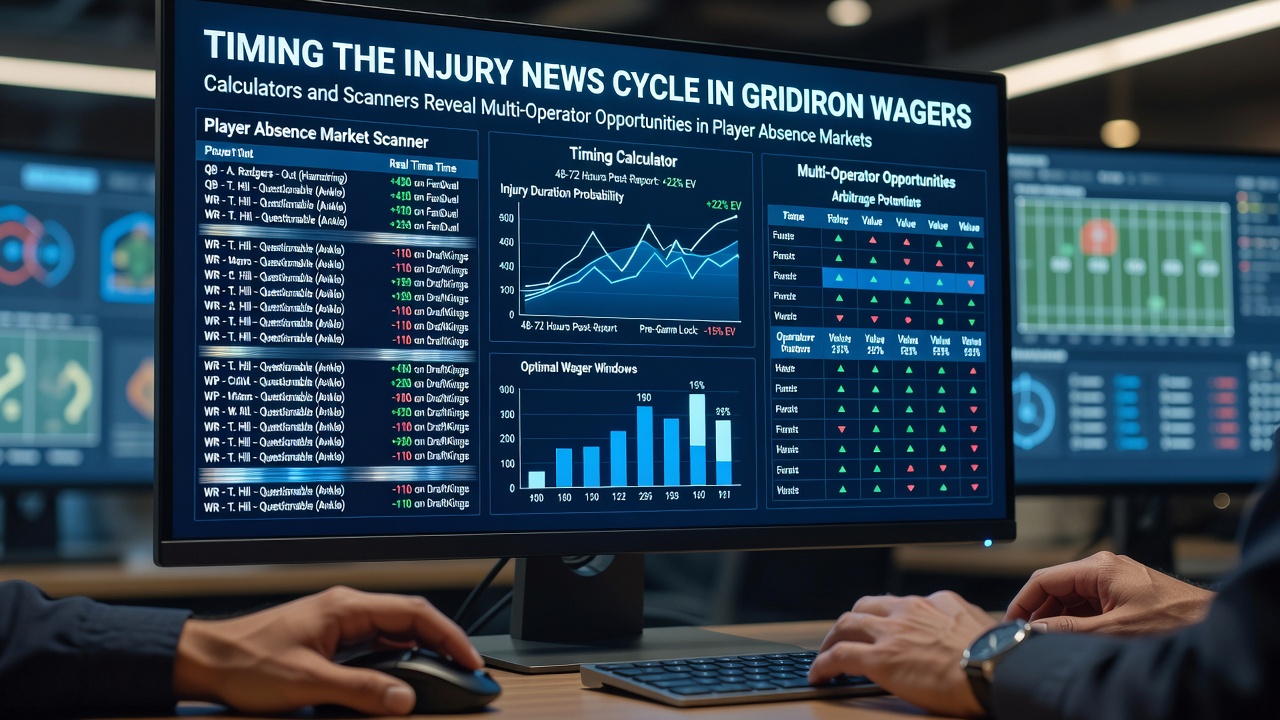
Timing the Injury News Cycle in Gridiron Wagers: Calculators and Scanners Reveal Multi-Operator Opportunities in Player Absence Markets
Gridiron betting markets respond quickly to injury announcements during training camp periods, and observers note that July 2026 data from multiple operators shows distinct timing differences in how player absence odds adjust across platforms. Research indicates that early reports on quarterback limitations or defensive line changes create windows where calculators identify discrepancies before all books align their pricing.
Understanding Injury Report Timing Patterns
Teams release official injury reports on set schedules, yet preliminary information often leaks through practice observations and media briefings days earlier. Those who monitor these cycles find that certain operators update absence markets within minutes of initial reports while others wait for confirmation from team medical staff. Data shows this lag creates measurable spreads in player prop and absence line pricing that scanners track across dozens of books simultaneously.
Training camp sessions in July 2026 produced several high-profile examples where a star running back's limited participation triggered immediate adjustments at some operators and delayed shifts at others. Calculators process these updates by comparing current odds against historical reaction times for similar injury types, which allows users to spot when one platform has not yet incorporated the full impact of a report.
How Calculators Process Absence Market Data
Specialized tools aggregate real-time odds from multiple operators and apply algorithms that factor in injury severity, position importance, and typical market recovery patterns. According to industry analyses from the American Gaming Association, sports betting handle in player prop categories grew substantially in recent seasons as these tools became more accessible. The calculators highlight situations where one book lists a quarterback as probable while another still prices the same game with that player listed as questionable, creating potential cross-operator edges.
Scanners operate continuously during camp periods and flag deviations that exceed preset thresholds. Research from sports analytics groups reveals that absence markets for skill positions show greater volatility than those for offensive linemen because the former attract higher betting volume and therefore react faster to news.
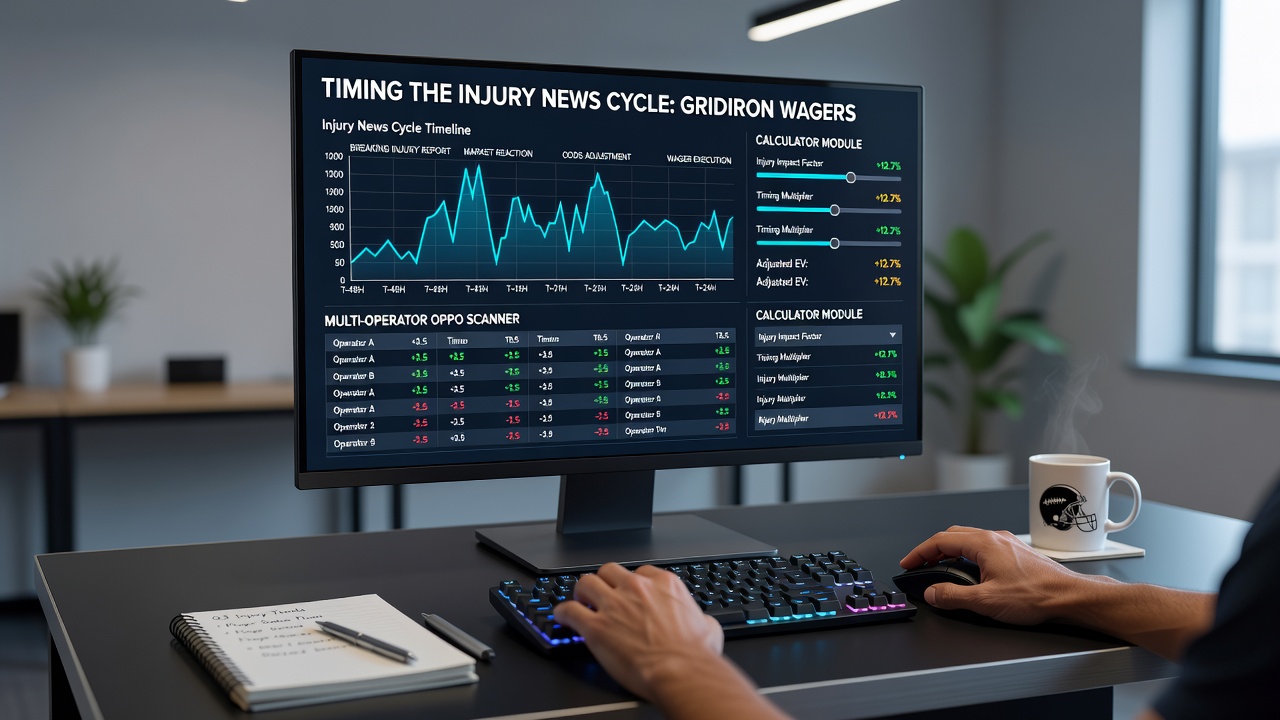
Multi-Operator Opportunities in Practice
Operators in different jurisdictions maintain separate risk management teams, and this separation leads to staggered responses when injury news breaks. One study of historical training camp data found that European-based platforms often adjusted absence lines several hours after North American operators had already moved their markets. Scanners capture these delays and present them as executable opportunities before prices converge.
Betting syndicates have documented cases where a defensive end's unexpected absence from practice triggered a chain reaction across books, with some operators widening totals lines while others held steady until the next official report. Calculators that incorporate time-stamped injury data help identify which platforms lag behind the consensus, allowing coordinated wagers that lock in the differential.
Key Factors That Influence Market Reactions
Several variables affect how quickly and how far absence markets shift. Position depth, upcoming opponent strength, and weather conditions all factor into pricing models. Observers note that scanners which weigh these elements alongside raw injury timing produce more reliable alerts than those focused solely on odds movement. Data from the 2026 camp period indicates that markets for games involving playoff contenders adjusted faster across operators than those for teams already eliminated from postseason contention.
Regulatory frameworks in various regions also play a role. Canadian provincial regulators and Australian state commissions publish periodic reports on betting market behavior that researchers use to benchmark reaction speeds in different jurisdictions. These reports help refine scanner parameters so they account for regional differences in how operators handle emerging injury information.
Conclusion
Calculators and scanners continue to evolve as gridiron injury reporting becomes more transparent through digital channels. The combination of scheduled team updates and unofficial practice observations creates recurring opportunities across operators when timing differences persist. Data from July 2026 training periods confirms that systematic monitoring of these cycles allows identification of multi-operator discrepancies in player absence markets before full alignment occurs.