UK Government Launches Consultation Targeting Unlicensed Gambling Sponsorships in Sports
Ines Long · Jul 14, 2026

UK Government Launches Consultation Targeting Unlicensed Gambling Sponsorships in Sports
The UK government prepares to open a consultation this week in July 2026 that would prohibit unlicensed gambling operators from sponsoring British sports teams, with particular focus on football clubs. This step follows ongoing criticism regarding previous delays that permitted arrangements such as Everton FC's three-year sleeve sponsorship with the offshore crypto casino Stake.com, an operator that surrendered its UK licence the prior year amid regulatory scrutiny. The consultation seeks to address a regulatory gap where such operators continue sponsorship activities even after warnings from authorities, situations in which clubs risk liability for promoting unlicensed platforms.Details of the Proposed Consultation
Officials plan to gather input from stakeholders across the sports and gambling sectors during the consultation period, which examines how sponsorship deals interact with licensing requirements. The measure targets operators without active UK licences that still secure visibility through team partnerships, a practice that has drawn attention because of its potential to bypass existing safeguards. Everton's arrangement with Stake.com serves as a prominent example in discussions, since the operator maintained the deal despite surrendering its licence and facing questions over compliance.
Under current rules, clubs receive warnings when partnerships involve unlicensed entities, yet enforcement gaps allow sponsorships to persist until further action occurs. The forthcoming consultation explores options to tighten these provisions by explicitly restricting unlicensed operators from such promotional roles. This approach would shift responsibility earlier in the process, requiring verification of licensing status before agreements receive approval.
Background on the Everton and Stake.com Arrangement
Everton FC entered a three-year sleeve sponsorship with Stake.com that began before the operator's licence surrender. Stake.com operated as an offshore crypto casino, and its decision to relinquish UK authorisation came after periods of regulatory examination. The sponsorship continued for the contracted duration, highlighting how existing frameworks permitted visibility for unlicensed entities through sports partnerships. Observers note that similar arrangements have appeared in other clubs, though the Everton case receives repeated mention due to its timing and the operator's profile.
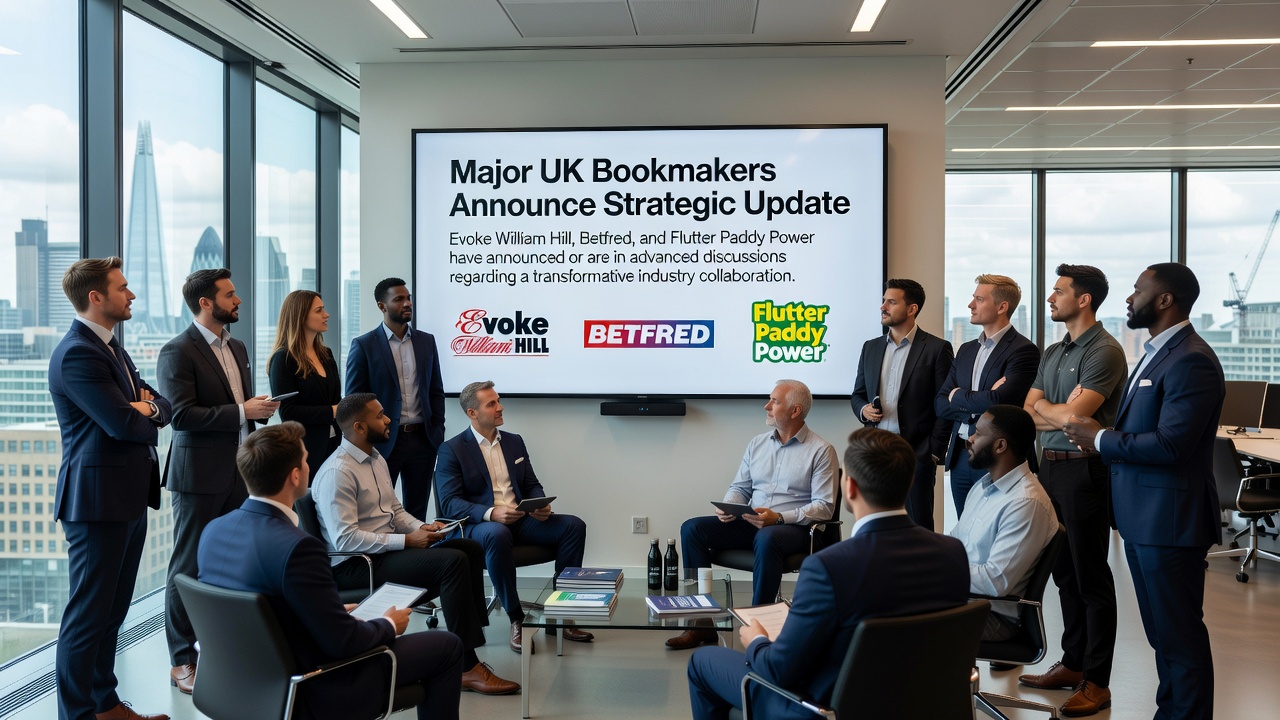
The arrangement illustrates the loophole the consultation intends to close, where an operator without a current licence can still gain exposure via club deals. Data from sports sponsorship reports indicate football teams rely heavily on such partnerships for revenue, yet licensing status adds complexity when offshore entities participate. The government's move responds to calls for clearer boundaries that prevent clubs from inadvertently promoting unlicensed sites.
Implications for Sports Clubs and Operators
Clubs would face updated obligations to confirm licensing before finalising sponsorship contracts if the proposals advance. This requirement aims to reduce instances where teams promote platforms that lack UK authorisation, thereby limiting potential liability under advertising and consumer protection standards. Operators without licences would lose access to this sponsorship channel, narrowing their marketing options within British sports.
Industry analyses from bodies such as the Australian Communications and Media Authority show how sponsorship restrictions in other jurisdictions influence operator behaviour and club revenue models. Similar patterns appear in reports from Canadian provincial regulators, where licensing verification precedes promotional agreements in regulated markets. The UK consultation draws on these comparative approaches while tailoring measures to domestic football structures.
Timeline and Next Steps
The consultation opens this week in July 2026, with a defined period for submissions from clubs, operators, and other interested parties. Government departments will review responses before determining whether to implement new restrictions through secondary legislation or updated guidance. Stakeholders anticipate that any resulting rules could take effect within the following year, subject to parliamentary processes and transitional arrangements for existing contracts.
Football governing organisations, including the Premier League and EFL, have received advance notice of the consultation scope. These bodies maintain their own sponsorship codes, yet the proposed changes would add statutory layers that clubs must observe alongside internal policies. The process allows time for feedback on practical enforcement mechanisms, such as verification databases or pre-approval requirements.
Conclusion
The consultation represents a targeted response to sponsorship practices involving unlicensed gambling operators in British sports. By focusing on the gap exposed through cases like Everton's arrangement with Stake.com, the government seeks to align promotional activities more closely with licensing frameworks. The upcoming period of stakeholder input will shape the final form of any restrictions, with implementation dependent on the outcomes of that review.